Item 1 of 8
An exploration into better decision making, grounded in the science of cognitive bias and the wisdom of storytelling
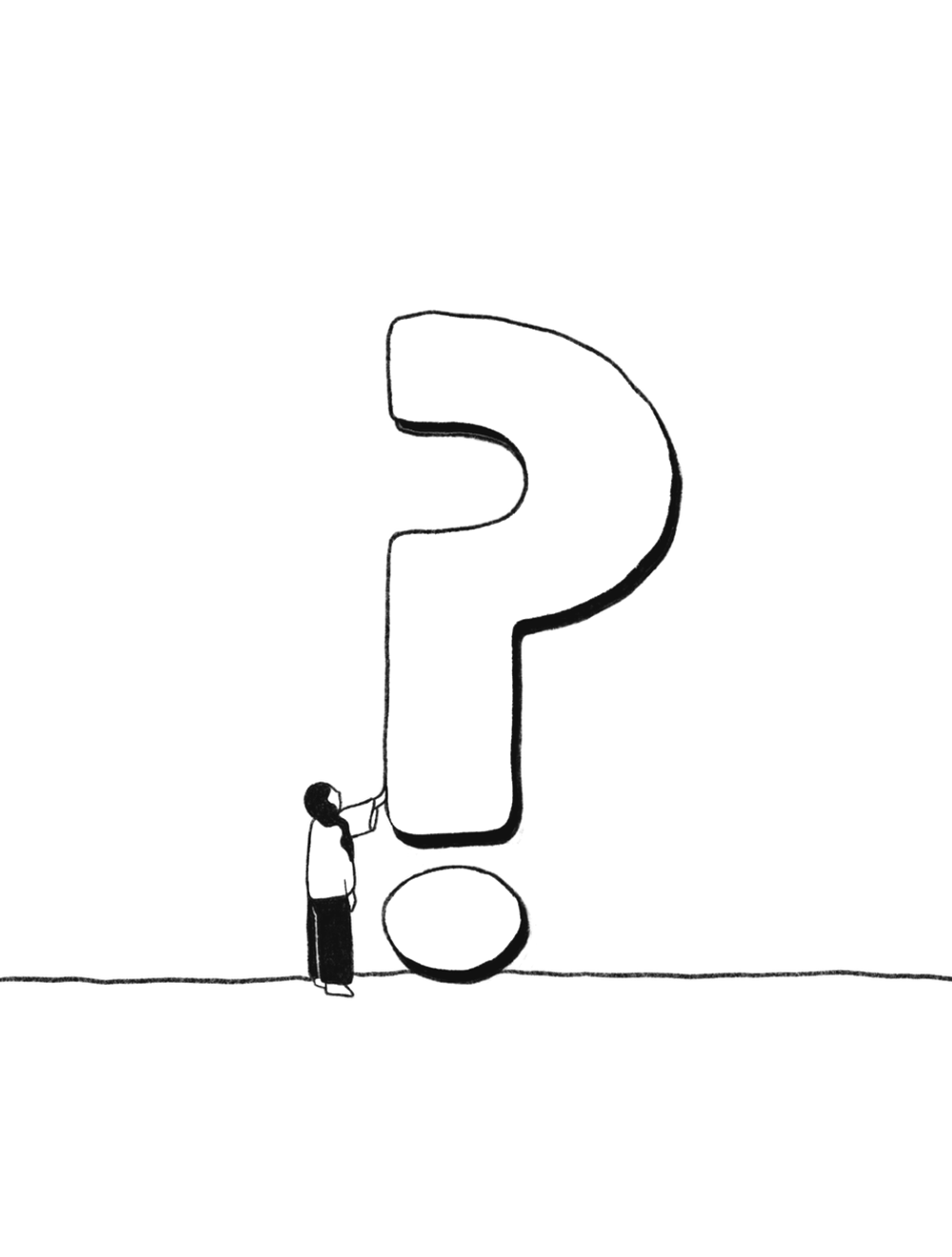
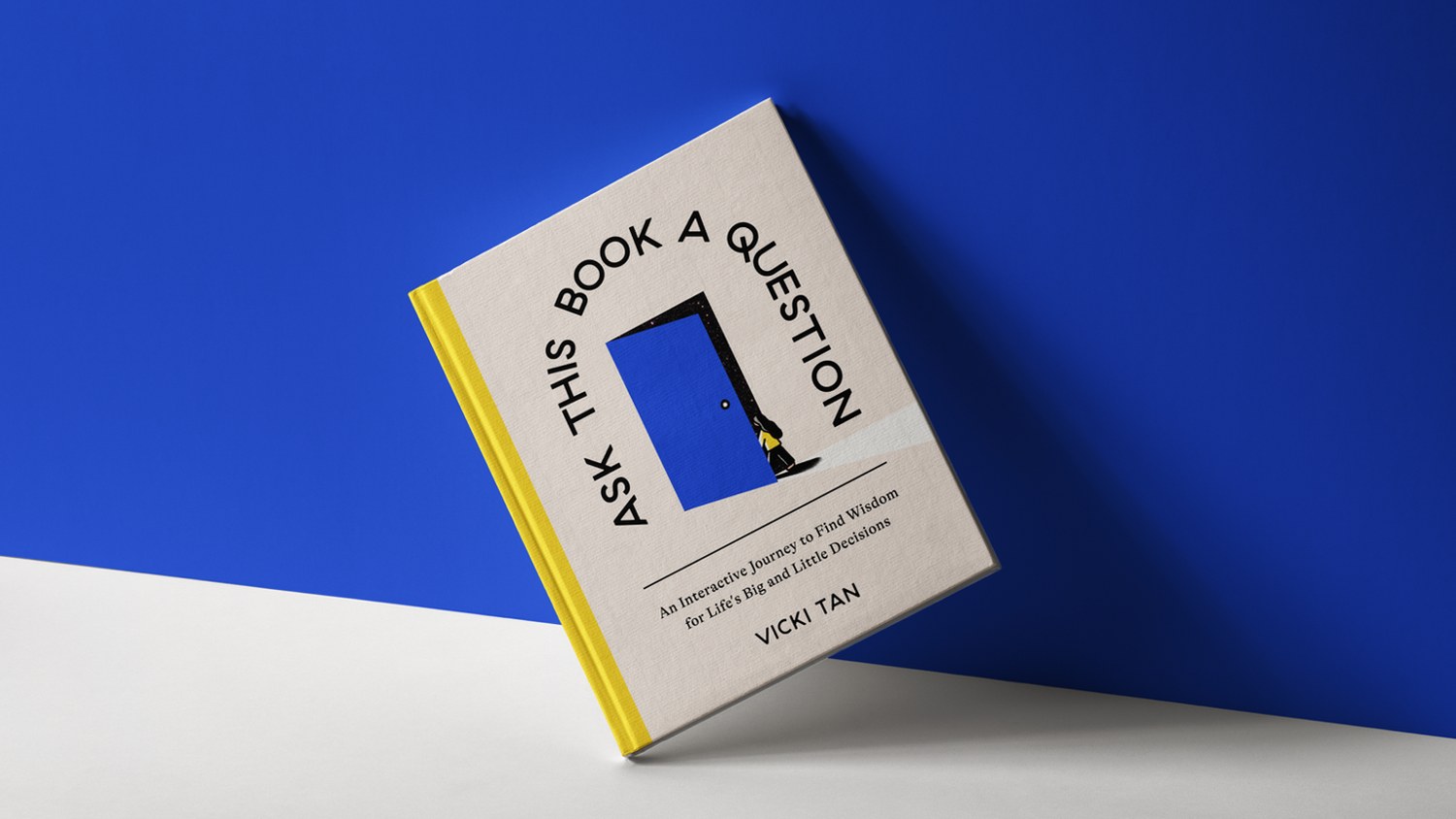
Ask This Book a Question arrives like a trusted friend, one who knows that decision making is less about unlocking secrets and more about understanding the quiet ways we navigate uncertainty.
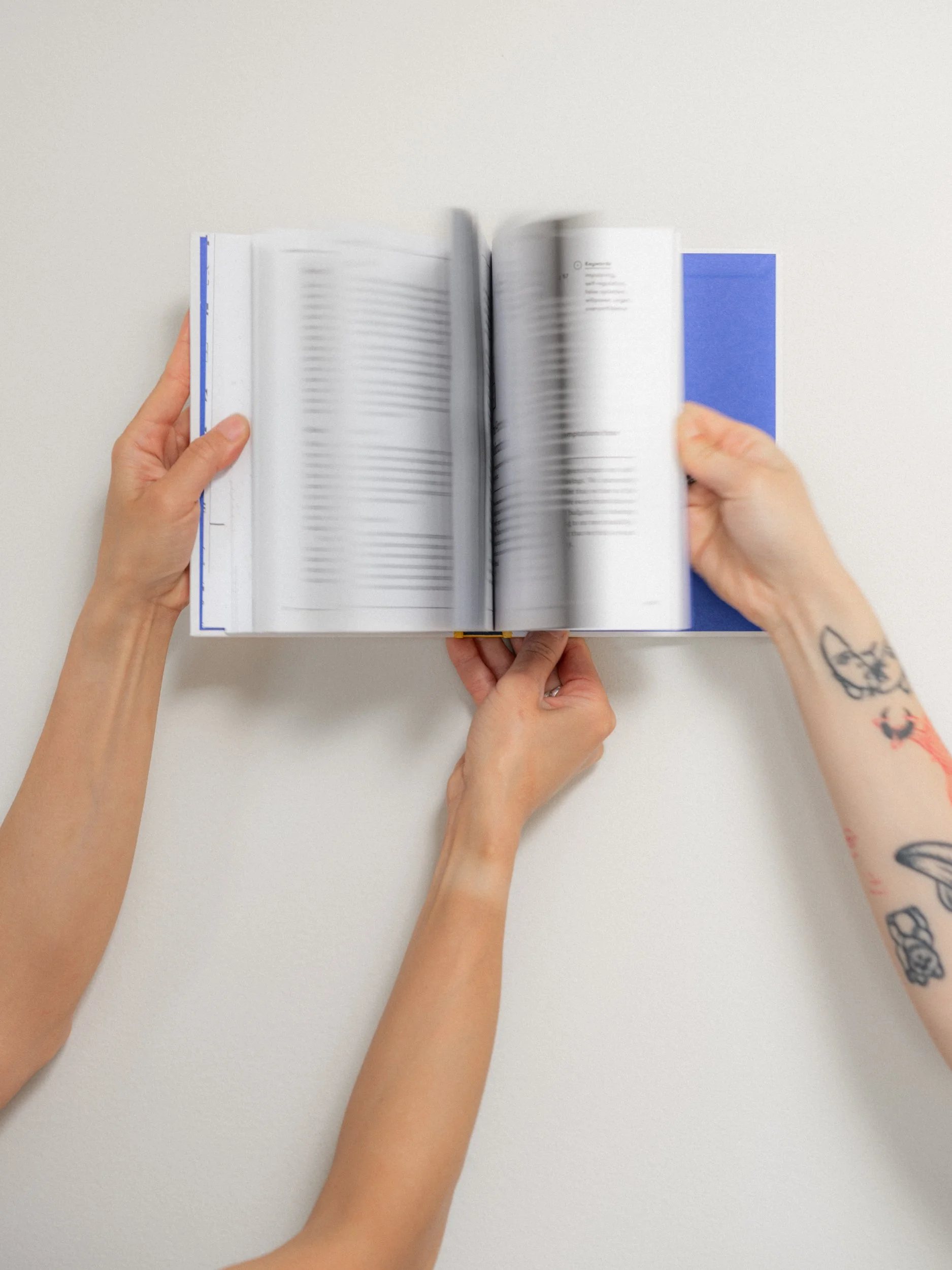
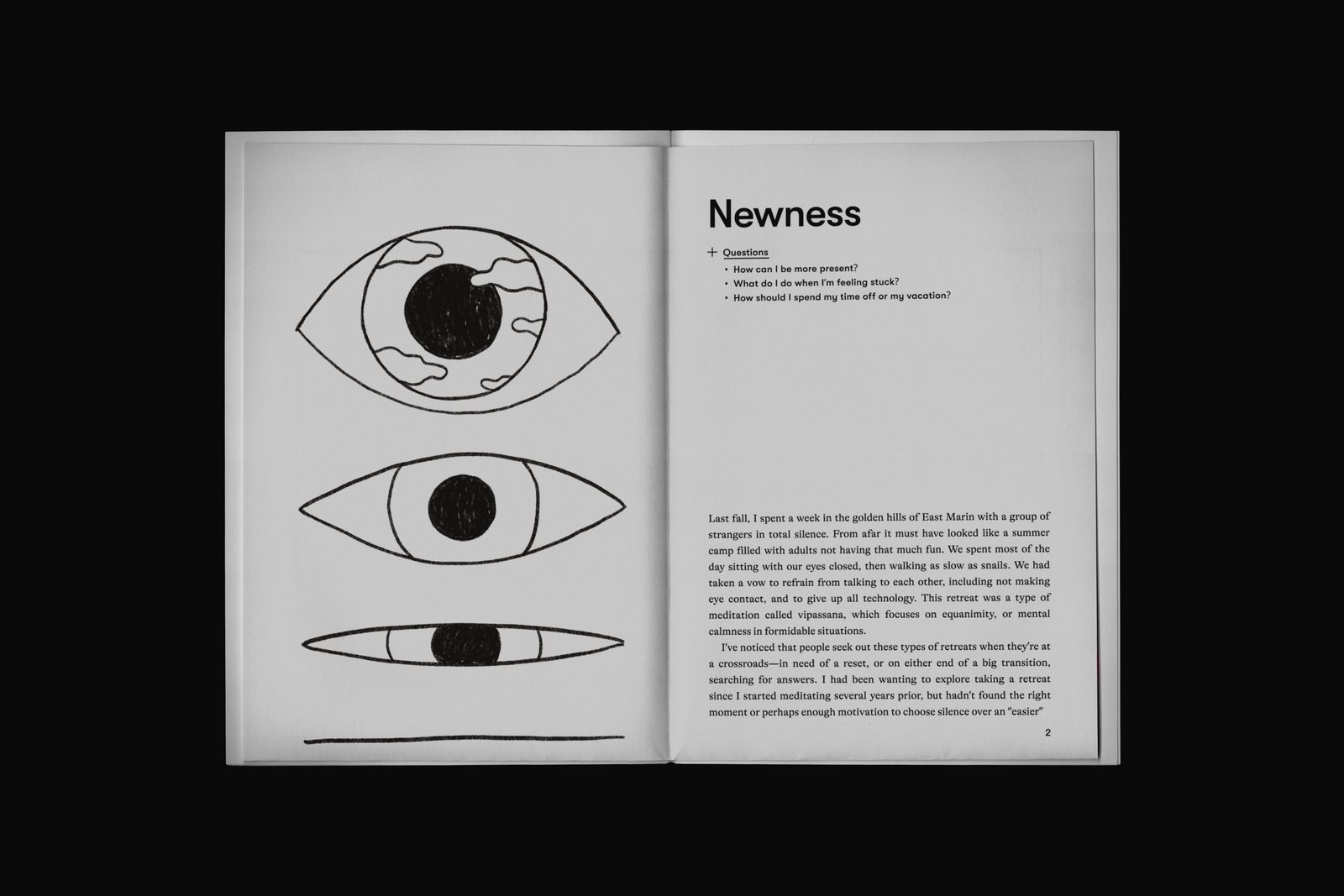
Through a series of visual prompts, the book maps the invisible geography of our minds – from our perception of time to our tendency to remember the bizarre over the familiar to the shortcuts we take when avoiding difficult truths.
This book is a companion for anyone who has ever felt stuck under the weight of too many choices, offering a thoughtful way to sit with uncertainty and navigate life’s most pressing questions.
Why did a designer write a book about decision-making?
Because no matter who we are, we all struggle to make choices that truly align with who we want to be. I've redesigned how we think about cognitive biases – not as flaws to fix, but as powerful tools for making more intentional, self-aware decisions.
Hardcover from Penguin Random House in the US, paperback from Profile Books in the UK, and translated into Portuguese and Simplified Chinese.
Who’s it for?
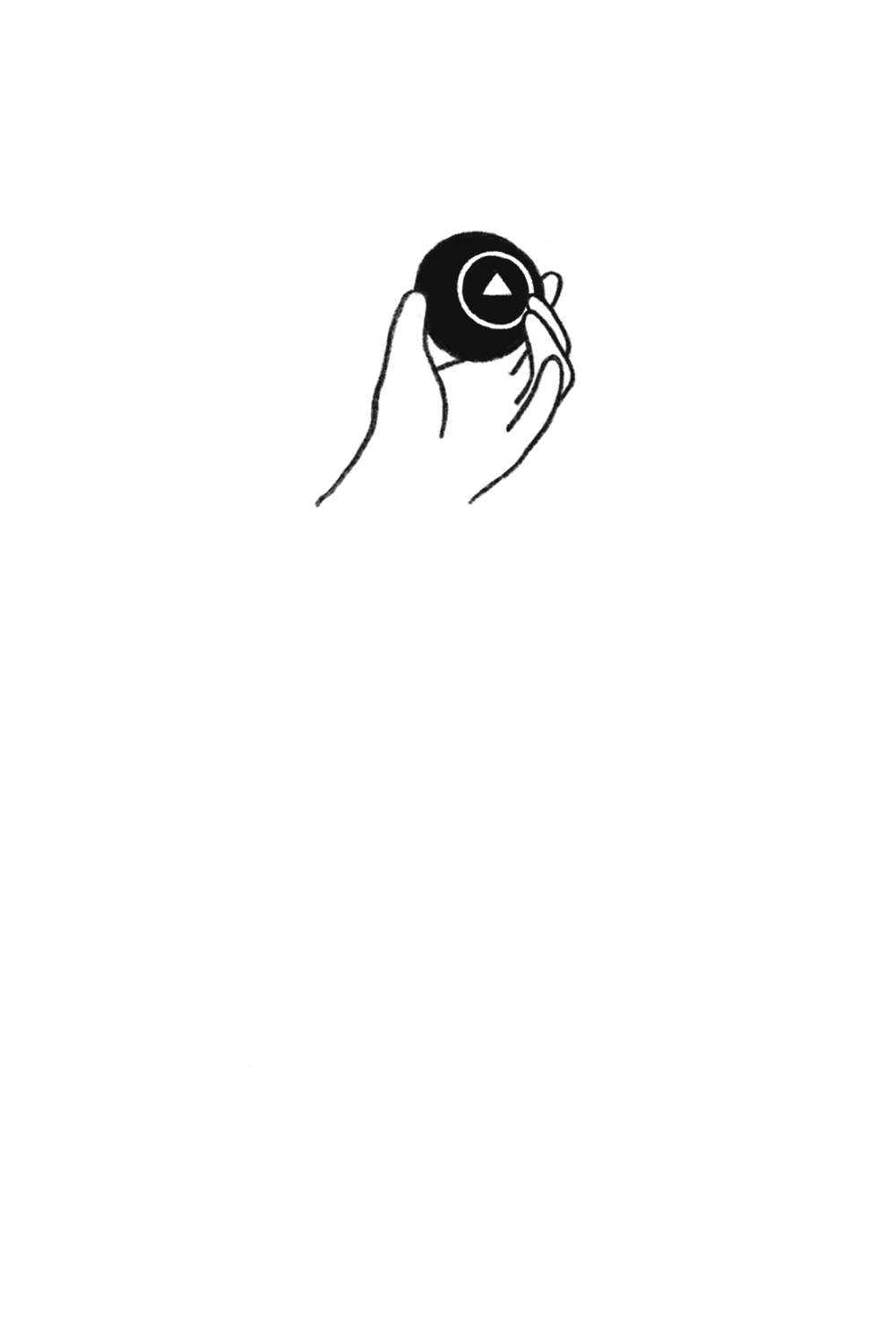
Anyone standing at a crossroads, whether you’re thinking about quitting, moving, starting over, or just can’t stop turning a choice over in your head. You start with a question of your own, and the book walks you through it, a little like a Magic 8 Ball that answers with better questions. It’s made to come back to whenever a new question shows up, which is also why people give it to each other.
What’s inside
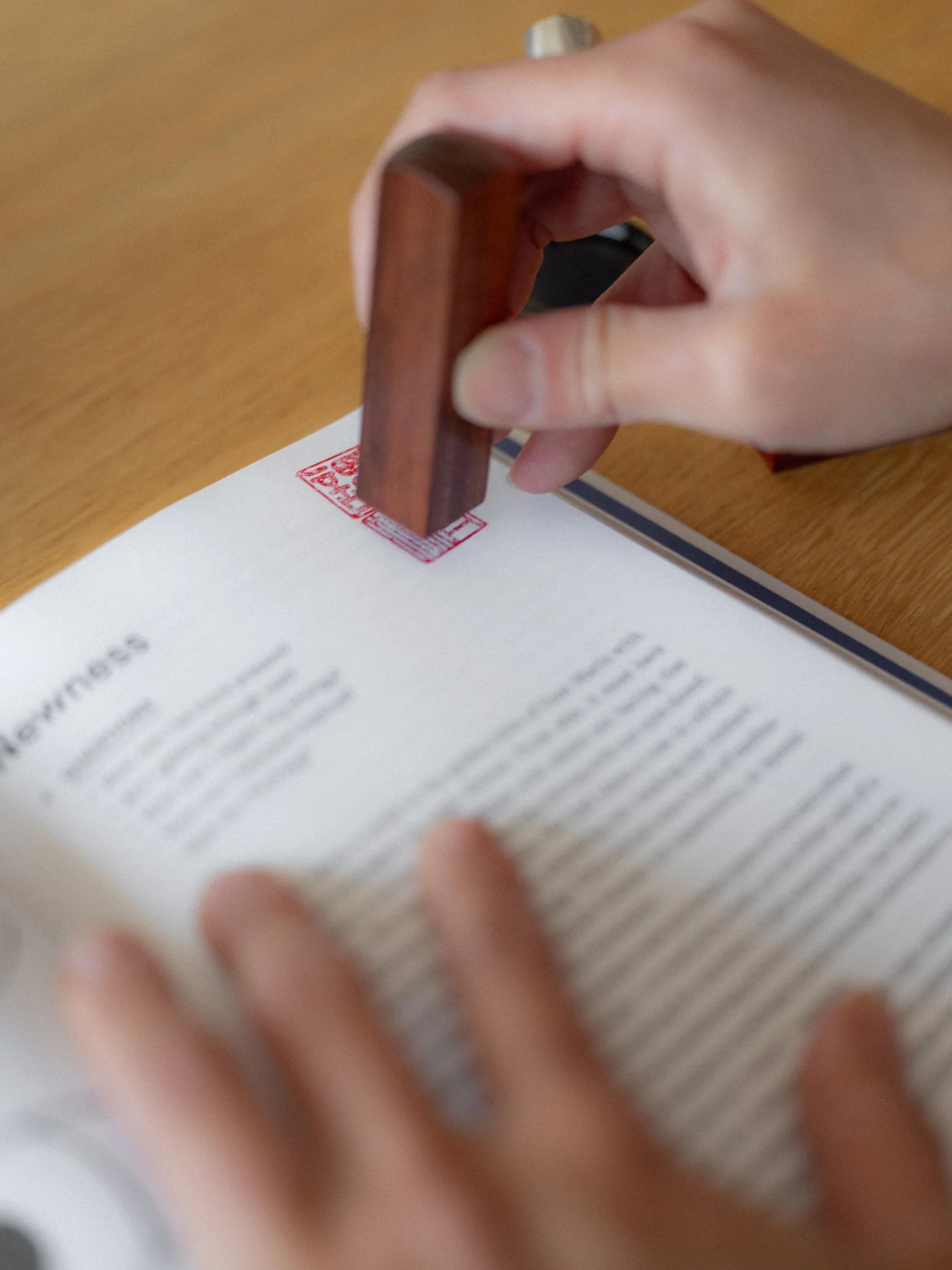
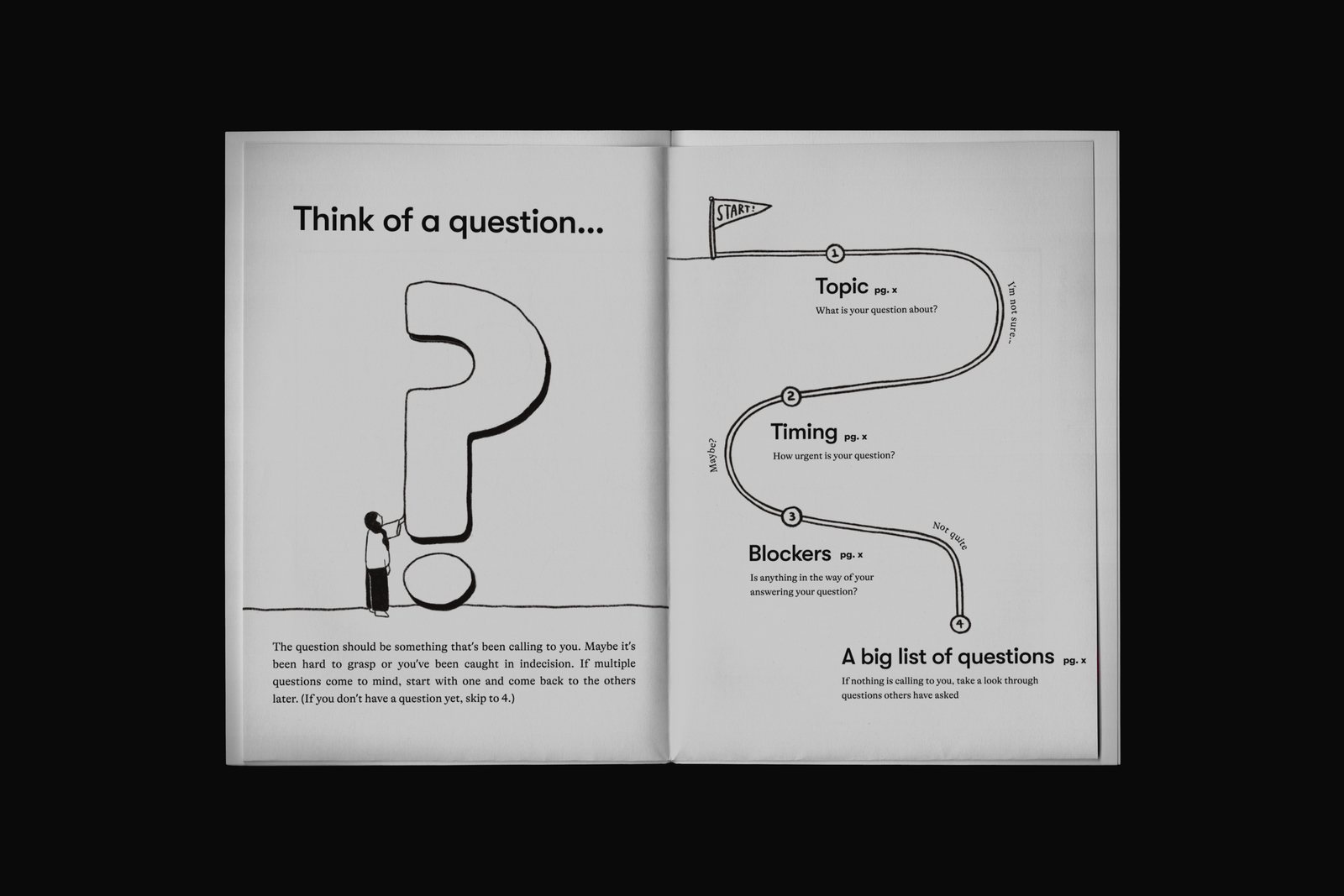
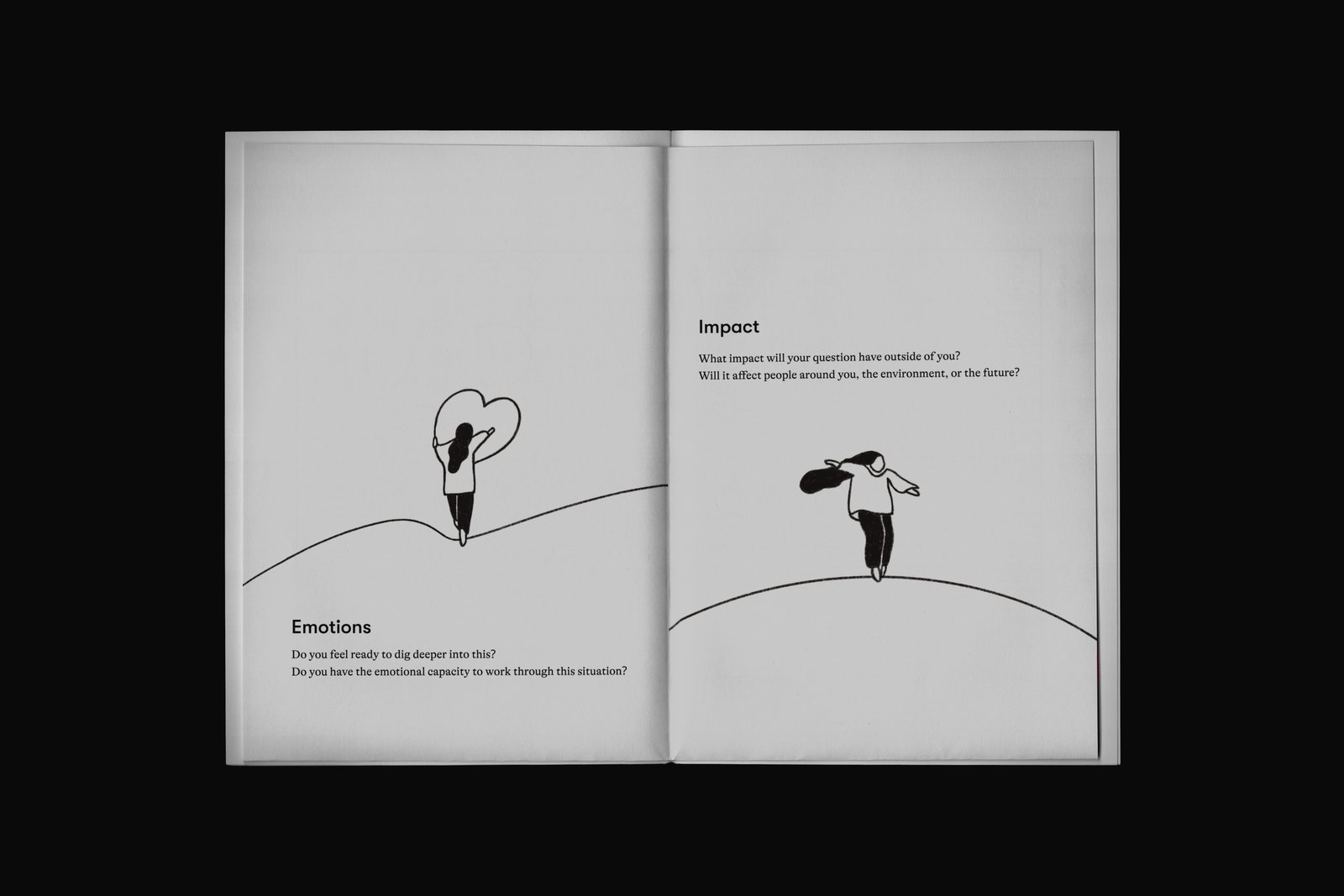
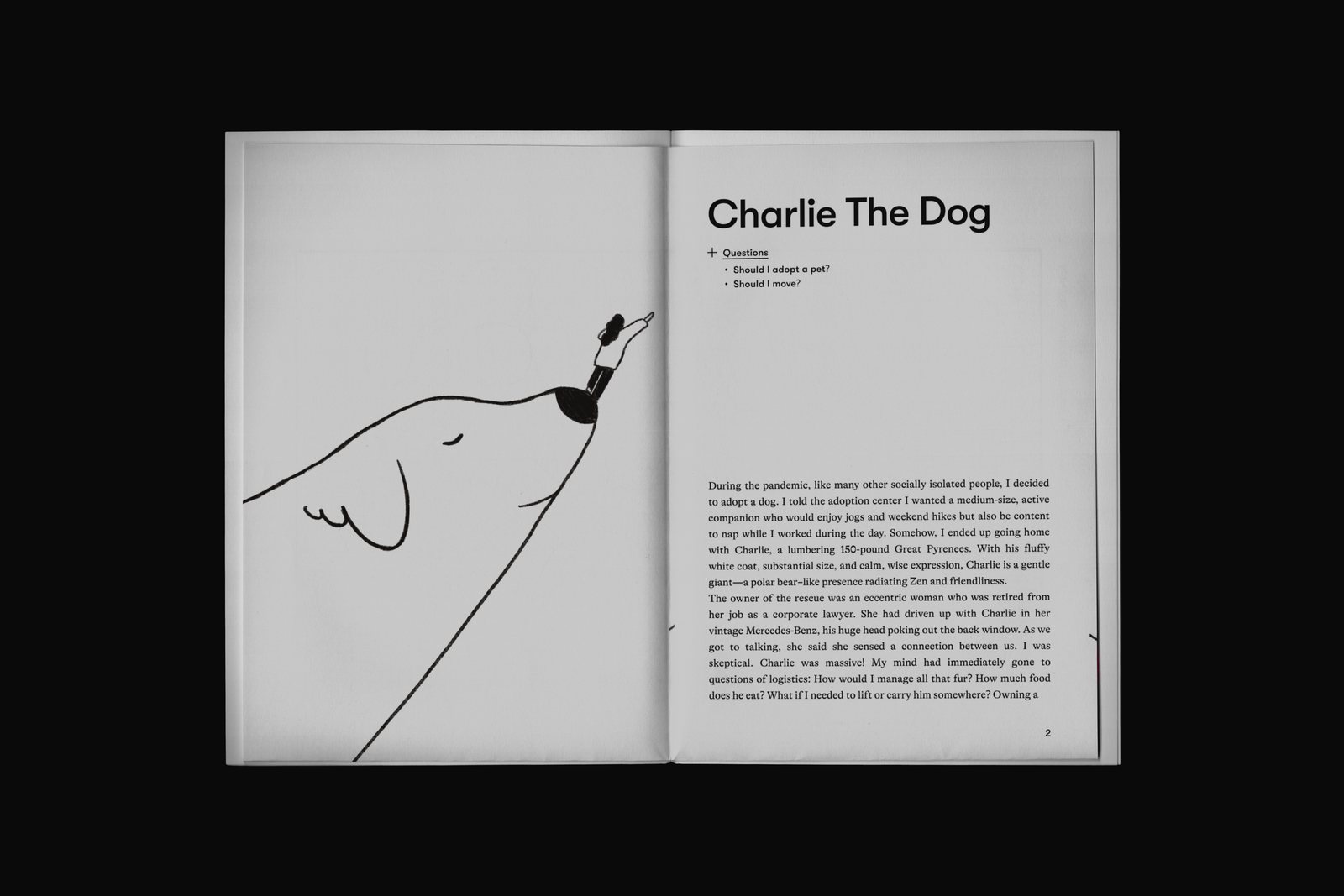
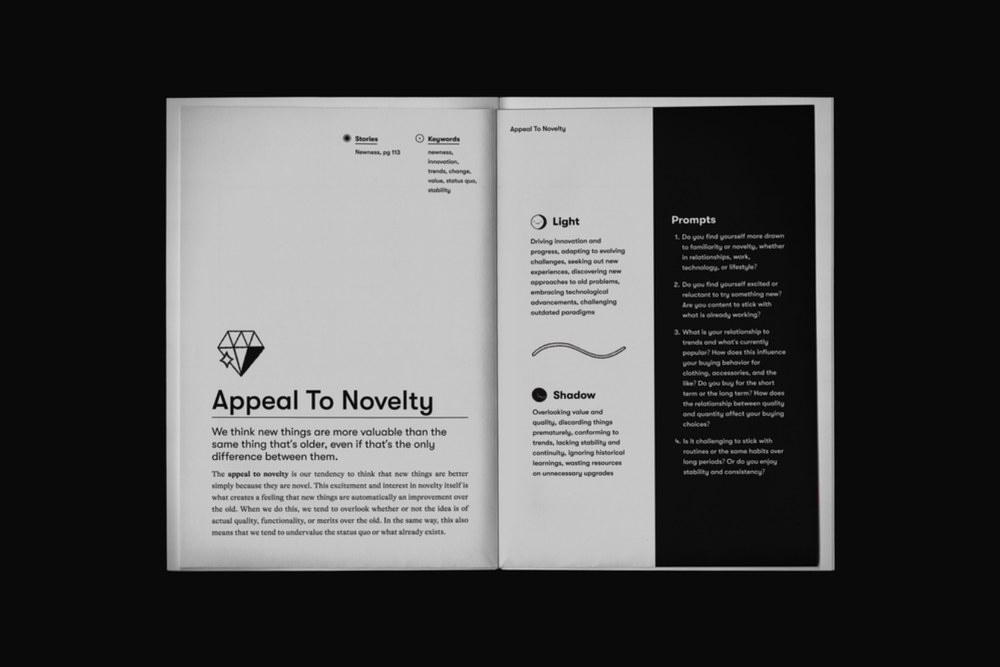
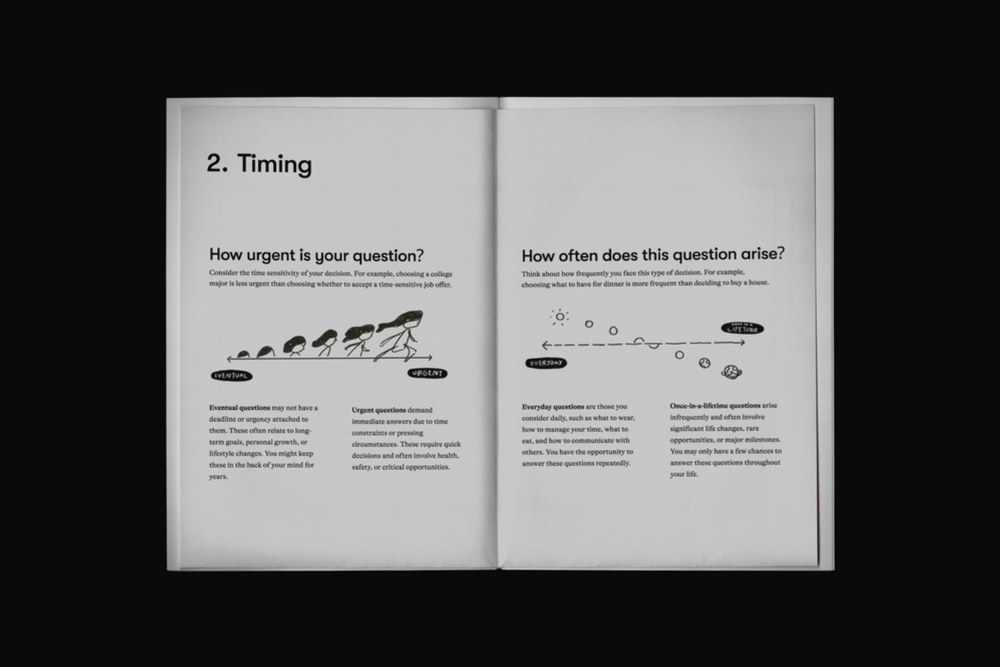
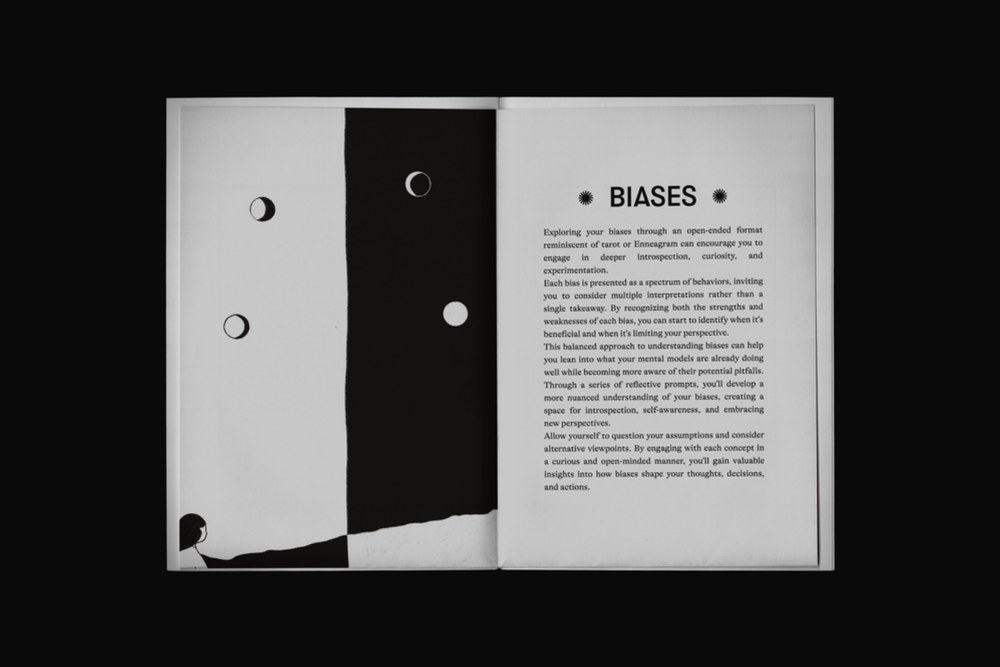
110 questions people actually ask, 19 illustrated stories, and 38 cognitive biases. You begin by thinking of a question and walking it through its topic, its timing, what’s blocking you, how you feel about it and what it could change. From there the book points you to the stories and biases that fit. Each bias gets a light side and a shadow side, because the same habit of mind that trips you up can also help you, plus a few prompts to sit with.
A few of the questions inside
- What do I want right now? Appeal to Novelty
- Am I drinking too much? Restraint Bias
- How do I find my person? Fundamental Attribution Error
- Am I spending too much money? Mental Accounting
- Should I quit my job? Sunk-Cost Effect
- How can I become happier? Denomination Effect
- How do I become lucky? Optimism Bias
Who would you give it to?
Someone in the middle of a big decision, a new grad, a friend thinking about a new job or a move, or anyone who overthinks. It isn't a book you read once and shelve. You pick it up again when a new question comes along.
Do I have to read it in order?
No. You start with your own question, and the book sends you to the stories and biases that fit it. The biases section at the back works on its own too.
Is it a self-help book?
Sort of. It's grounded in behavioral science and cognitive bias, but it doesn't tell you what to do. It helps you ask better questions so you can find your own answer.
Where can I get it?
In hardcover and ebook from Penguin Random House in the US, and in paperback from Profile Books in the UK. It's also out in Portuguese and Simplified Chinese.
Is there a card deck?
Yes, a companion card deck comes out in April 2027.
Giving it this holiday season?
It’s a good one for the person in your life who’s heading into the new year with a big choice in front of them, or a question they keep coming back to. They don’t need to read it cover to cover. They can open it to their own question on the first night and keep it around for the next one.
About Vicki
Vicki Tan is a digital product designer based in San Francisco. She’s a design principal at Loom, and before that designed at Pinterest, Spotify, Headspace, Lyft and Google. She studied behavioral science at UC San Diego and did research in pediatric oncology at Stanford and pulmonology at UCSF. She speaks about how people make meaning through choice, most recently with Ready for the World at Config 2026.
Got a question of your own?
Start with one of the questions people bring to the book, like “Should I quit my job?”, or browse the cognitive biases behind them.